How company retreats are becoming more intentional, human and better designed — with a stronger focus on purpose, connection, wellbeing and meaningful shared experiences.
Company offsites are changing.
For many teams, a company retreat is no longer just a nice trip away from the office, a group dinner and a few team-building activities. In a world of remote work, hybrid teams, busy calendars and constant digital communication, the moments when people come together in person have become more valuable — and also more important to design well.
Companies still need the essentials: a good destination, a comfortable hotel, reliable logistics, productive meeting spaces and enjoyable meals. But increasingly, teams are looking for something more intentional. They want offsites that feel worth the time away from daily work. They want space to reconnect, align, think clearly, celebrate progress and build trust in a setting that feels human rather than overly corporate.
The question is no longer only: “Where should we go?”It is also: “Why are we bringing people together — and how can we make the time genuinely worthwhile?” For a broader look at why retreats can be valuable for teams, you can also
read our article on the benefits of company retreats.
Here are some of the key directions shaping company offsites, team retreats and incentive travel programmes for 2026/27.
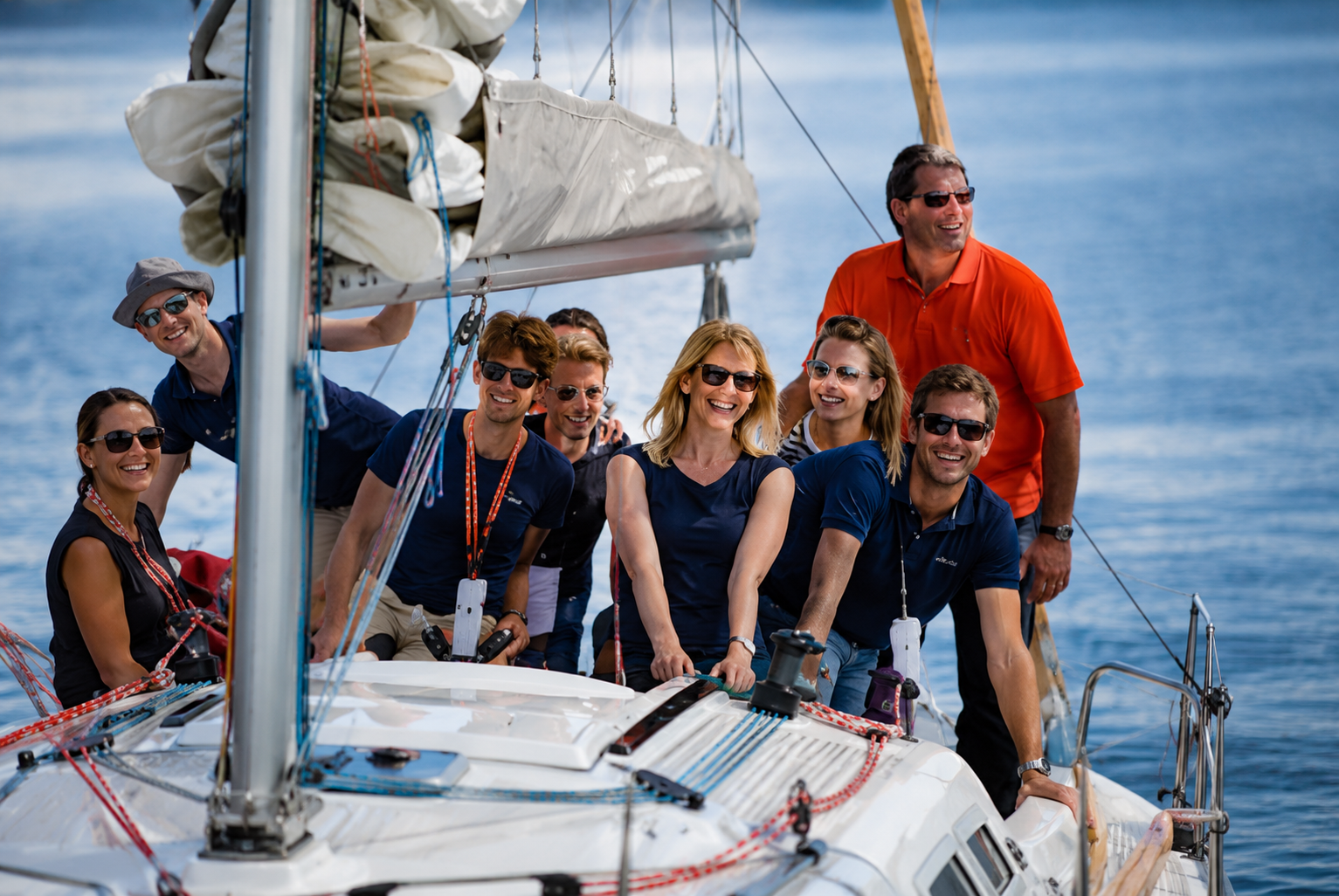
It is tempting to start retreat planning with the destination. Mallorca or Portugal? Alps or Morocco? City hotel or countryside resort? Beach or mountains?
These are important questions, but they should not be the first ones. Before choosing where to go, companies should ask what the offsite should actually achieve. The answer might be strategic alignment, leadership reset, team connection after remote or hybrid work, celebration, incentive travel, culture building or planning for a new business cycle.
Once the purpose is clear, the destination becomes much easier to choose. A leadership retreat may need privacy, calm, excellent food and a meeting space that encourages deeper discussion. A sales incentive may need energy, a premium atmosphere, strong hospitality and one memorable shared experience. A remote team retreat may need easy access, relaxed social spaces and a programme that helps people connect naturally.
The best destination is not always the most obvious or the most famous. It is the one that supports the purpose of the retreat.
If you are still defining the format, it can help to
look at different types of corporate retreats before choosing the destination or programme.
One of the most common mistakes in company retreat planning is trying to fit too much into the programme.
Because the team is travelling, companies often want to make the most of every hour. This is understandable — but it can easily lead to an agenda that feels rushed, tiring and over-planned. A successful offsite is not the one with the fullest agenda. It is the one with the best rhythm.
Teams need focused work time, but they also need space to absorb ideas, talk informally, enjoy the destination and rest. Some of the most valuable conversations happen between the official agenda points: during a walk, over breakfast, after dinner or while sitting together outside the meeting room.A well-paced retreat might include one main work block per day, proper breaks, one meaningful shared experience, relaxed meals and enough flexibility for the programme to feel natural.
This does not mean doing less for the sake of it. It means designing the time more intelligently. For practical guidance on this, see our article on
how to structure the company offsite agenda.
For 2026/27, teams are likely to value retreats that feel productive without being exhausting, social without being forced, and well-structured without being rigid.
Team building still matters, but the way it is designed is changing.
Many teams no longer respond well to artificial exercises that could happen anywhere. They want experiences that feel natural, relevant and connected to the place they are visiting.
This could mean a cooking experience with a local chef, a guided walk through a historic neighbourhood, a private dinner at a family-run restaurant, a sailing trip, an olive oil tasting, a vineyard visit or a shared creative workshop.
The goal is not always to “do team building” in the traditional sense. The goal is to create moments where people can connect more easily. Good food, beautiful surroundings and a shared experience often do this better than a forced activity. A long table dinner can sometimes build more trust than a formal exercise, while a walk in nature can create more honest conversation than another meeting room session.
For modern company retreats, human connection is often the real outcome. The programme should be designed to support it.

Wellbeing is becoming a central part of company retreat design — but not always in the obvious way.
It does not have to mean a full spa programme, yoga every morning or a dedicated wellness retreat. For many teams, wellbeing is much simpler and more practical: enough sleep, time outdoors, daylight, good food, realistic schedules, quiet moments, movement and a programme that does not leave people more tired than when they arrived.
Nature also plays an important role. Coastal landscapes, mountains, forests, lakes, vineyards and countryside settings can help teams slow down, think differently and reconnect outside the usual work environment.
For leadership retreats, nature can support reflection and deeper discussion. For remote teams, it can create a stronger sense of shared experience. For incentive trips, it can make the programme feel more memorable and emotionally engaging.
Wellbeing should not be treated as an optional add-on. It should be part of the way the retreat is designed from the beginning. You can read more about this in our article on the
benefits of corporate wellness retreats. This also reflects a wider workplace conversation around employee wellbeing and engagement. For broader context,
Gallup’s employee wellbeing research is a useful reference point.
The best retreat experiences are often the ones that feel rooted in the destination.
A company offsite in Mallorca should not feel like an offsite that could have happened anywhere. A retreat in Italy, Portugal, Greece, Morocco, Finland or the Alps should use the character of the place.
This does not mean the programme needs to be complicated. It simply means choosing experiences that feel authentic and relevant: an olive estate visit in Mallorca, a cooking class in Italy, a wine estate lunch in Portugal, a traditional boat trip in Greece or Croatia, a mountain hut dinner in the Alps, a sauna ritual in Finland or a desert dinner in Morocco.
This kind of local immersion gives the group a stronger sense of place and creates shared memories that go beyond the meeting agenda.It also reflects a broader travel shift towards culture, cuisine and more meaningful local experiences, as highlighted in
European tourism trend research.
For companies, this is where a retreat becomes more than a trip. It becomes an experience that reflects care, taste and intention.
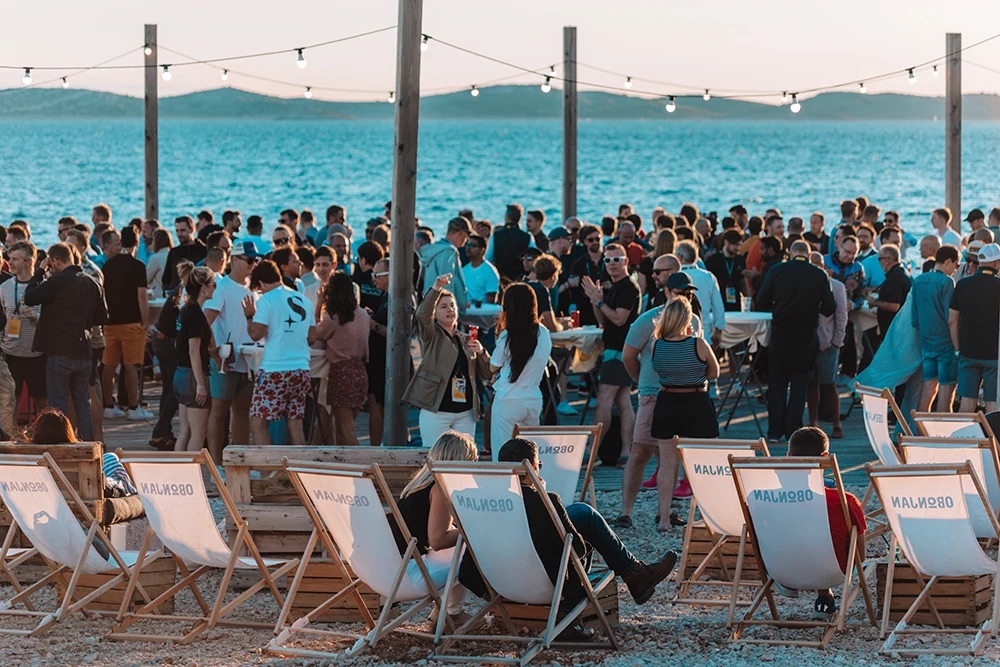
Luxury in company retreats is also changing.
For many teams, luxury no longer means the most formal hotel, the most expensive dinner or the most impressive-looking venue. It often means something softer and more useful: privacy, space, natural beauty, excellent food, calm service, comfortable rooms, thoughtful details and the feeling that everything has been taken care of.
Teams want quality, but they do not always want formality.A boutique hotel with character, a beautiful meeting room with daylight, a relaxed terrace dinner and a well-paced programme can often feel more special than a very formal five-star hotel that does not match the team’s culture.
This is especially relevant for younger teams, creative companies, startups and remote-first organisations. They may appreciate good design, strong service and beautiful surroundings, but they do not necessarily want an environment that feels stiff or overly corporate.
Low-pressure luxury is about quality without heaviness. It is about comfort, ease and atmosphere. For company offsites, this can be much more effective than traditional luxury.
Not every retreat needs to be a large company-wide event.
Many companies are now choosing smaller, more focused retreat formats that serve a specific purpose: leadership retreats, executive offsites, management team gatherings, sales incentives, founder retreats, project team celebrations, department retreats or remote team gatherings.
Smaller groups often allow for more personal experiences, more special hotels and more flexible programming. They can also feel more intentional.
A leadership retreat for 12 people might require privacy, strong meeting space and excellent dining. A sales incentive for 30 people might need energy, celebration and one memorable experience. A remote team retreat for 60 people might need easy travel, a relaxed hotel, social spaces and a balanced mix of work and informal connection. Remote and hybrid teams often have specific needs when they gather in person. If this is your team setup, our article on
remote team retreats may be useful.
The important point is that the format should match the purpose. A smaller retreat can be just as valuable as a large event — sometimes even more so — if it is designed with clarity.

As companies become more thoughtful about travel, budgets and time away from work, value for money is becoming increasingly important.
This does not simply mean choosing the cheapest option. In company retreat planning, value means making smart decisions about where the budget has the greatest impact.
Sometimes it is better to choose a destination with easier flights and smoother transfers. Sometimes it is better to invest in a stronger hotel and simplify the activity programme. Sometimes one excellent local experience is more valuable than several average ones. Sometimes a shoulder-season date can make a beautiful destination more accessible and more enjoyable.Value does not mean doing less. It means choosing better.
For company offsites in 2026/27, the strongest programmes will likely be those that are clear, well-paced and carefully curated — rather than overloaded or unnecessarily complex.
Companies want the retreat to feel worth the investment. Employees want the time away to feel meaningful. The best programmes satisfy both.
For more detail on planning costs, see our
company offsite budgeting guide.
Company offsites in 2026/27 do not need to become more complicated. They need to become more thoughtful.
The strongest retreats will not necessarily be the most extravagant or the most unusual. They will be the ones that feel intentional, well-paced and genuinely relevant to the team.
They will combine the essentials — good hotels, smooth logistics, productive meeting time and enjoyable meals — with meaningful moments that help people connect, think clearly and return with renewed energy.
Behind the scenes, this requires careful planning: hotel sourcing, meeting space planning, transport, restaurant bookings, supplier coordination, budget management, weather backups, guest communication and on-site coordination.
For more seasonal inspiration, explore our
guide to fresh autumn and winter company retreat ideas in Europe.
For most company offsites in Europe, it is best to start planning 4–6 months in advance. For larger groups, full hotel buyouts, peak-season dates or destinations with limited flight access, 6–9 months is often more realistic.
A full-service retreat planning service can include destination research, hotel sourcing, venue negotiations, meeting space planning, transfers, restaurants, activities, supplier coordination, budget management, guest communication and on-site support.
The cost depends on the destination, season, hotel standard, group size, meeting requirements, transfers, meals and activities. A simple retreat in an accessible destination will have a very different budget from a premium incentive trip or a full hotel buyout.
Yes. Grow Retreats helps companies choose the right destination and hotel, and can also design the full retreat programme — including meetings, meals, transfers, local experiences, activities and on-site coordination.
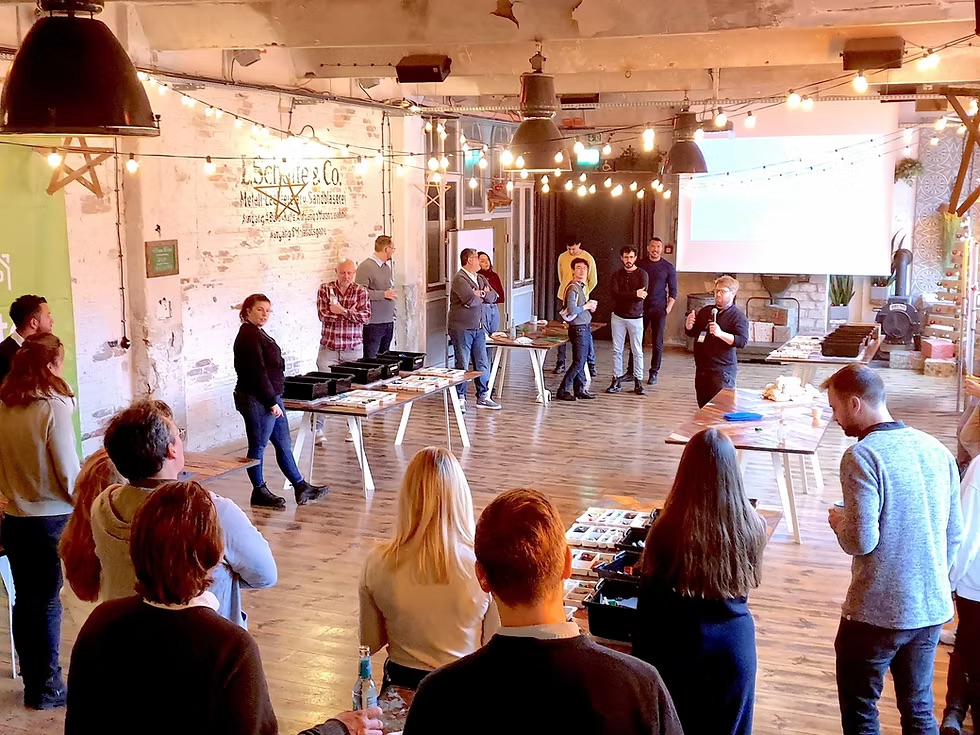
Grow Retreats designs and organises company offsites, team retreats and incentive travel programmes across Europe and beyond. We help companies choose the right destination, hotel and programme — and take care of the planning, logistics and on-site coordination from start to finish.
Whether you are planning a leadership retreat, a team offsite, a sales incentive or a company-wide gathering, we can help create a retreat that feels well-designed, meaningful and worth the time away.
Tell us your group size, dates and preferred style — and we will help you explore the best destination, hotel and programme options.
Book a call to discuss your retreat with us. 
